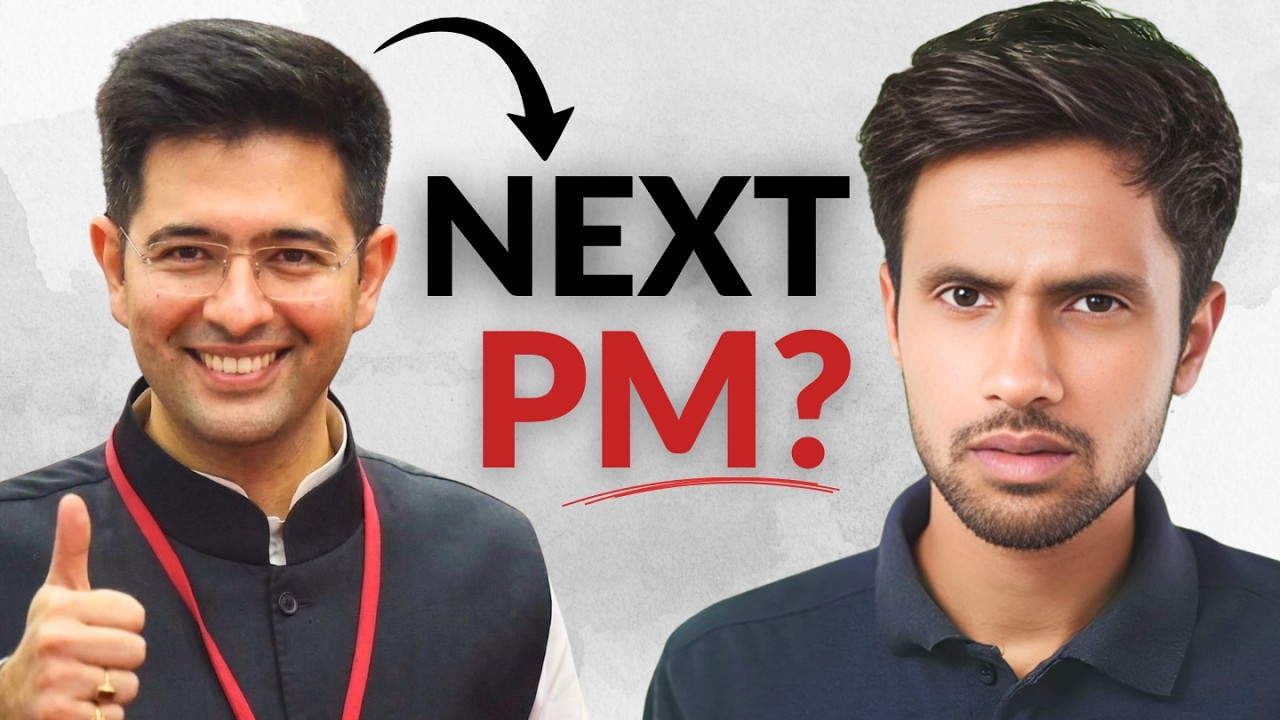

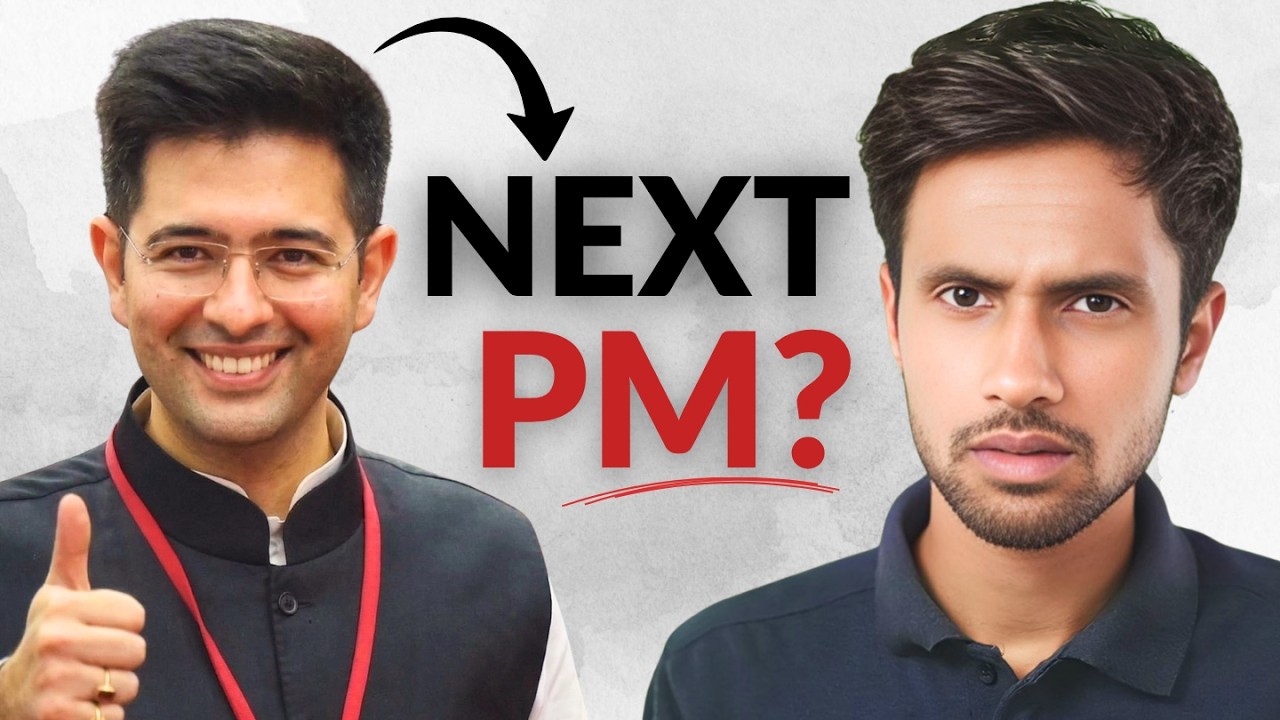
Is Raghav Chadha truly working for the common citizen, or is a carefully timed political narrative being constructed around his public interventions? This question has increasingly been raised as issues related to everyday life, such as rising costs, delivery systems, and public services, continue to dominate discussions among citizens.
In recent years, the rapid expansion of ultra-fast “10-minute delivery” services has been observed across urban India. While these services promise convenience, it has been pointed out that a silent workforce operates behind them, often working under pressure and in risky conditions to meet strict timelines. The concerns of such gig workers have been raised in Parliament, where it has been emphasized that these individuals are not machines but people with families and responsibilities.
Among those highlighting such issues, entity[“politician”,”Raghav Chadha”,”Indian politician”] has gained attention for raising topics that directly connect with the daily lives of citizens. His speeches have focused on relatable concerns, which has contributed to his image as a young and educated leader. However, questions have also been raised about whether these interventions reflect ground-level impact or primarily shape public perception.
A notable instance was the issue of high food prices at airports, which was raised in December 2024. It was highlighted that basic items were being sold at prices significantly higher than those in local markets. Shortly after, reports suggested that prices at airports would be reduced, creating a perception that the issue had been effectively addressed. However, it had already been indicated earlier that steps toward price reduction were underway, leading to the argument that the timing of the intervention may have influenced how credit was perceived, with the role of entity[“politician”,”Kinjarapu Ram Mohan Naidu”,”Indian aviation minister”] also being noted in this context.
Similarly, concerns regarding gig workers have been strongly voiced, particularly regarding the pressure created by rapid delivery expectations. While such advocacy has been appreciated, it has also been pointed out that legal recognition and provisions for gig workers had already been introduced through the entity[“legislation”,”Code on Social Security 2020″,”India labor law”]. This has led to a broader discussion on whether the focus has been on introducing new solutions or reinforcing existing frameworks for visibility.
At the same time, attention has been drawn to the responsibilities of state governments. It has been observed that in regions governed by the entity[“political_party”,”Aam Aadmi Party”,”Indian political party”], comprehensive and large-scale policy measures specifically targeting gig workers have not been widely highlighted. This has contributed to a debate on whether governance at the state level has matched the concerns raised at the national level.
Beyond these issues, states such as Punjab continue to face significant challenges, including unemployment, drug abuse, and migration of youth. Reports have indicated a concerning situation, particularly among younger populations, raising questions about whether such issues are being consistently addressed in broader political discourse.
During his tenure in administrative roles, including his time with the Delhi Jal Board, promises related to improved water supply and infrastructure were made. However, in several areas, challenges related to water availability, quality, and distribution continued to persist. While external factors were cited as contributing reasons, counterarguments suggested that internal management issues also played a role.
It is widely accepted that the issues being raised resonate strongly with urban and middle-class citizens, particularly those related to affordability, services, and daily convenience. At the same time, a continuing debate exists on whether these efforts translate into measurable improvements on the ground or remain part of a broader strategy of political positioning.
In the end, while public speeches and issue-based interventions remain an essential part of democratic engagement, long-term credibility is often determined by implementation and tangible outcomes. As a result, political figures are increasingly being evaluated not only on the issues they raise, but also on the extent to which those issues lead to real and lasting change.


Advertising


Advertising

Instagram Gallery




About Me
Hello ! I am Richard Y. Lim
Upon migration to Medina, the direction of the Qibla continued to be Jerusalem, although it was then physically impossible for one to also face the Ka’ba, as Medina is north of Makkah.