Written by: Express Web Desk
Hezbollah has rejected a new ceasefire proposal aimed at reducing violence between Israel and Lebanon. The group said it would not accept any agreement that requires its fighters to leave southern Lebanon while Israeli forces remain in the area. Hezbollah leaders argued that such conditions would amount to surrender and would not address their main demand, which is a complete Israeli withdrawal from Lebanese territory.
The announcement came as fresh violence continued across Lebanon. According to local reports, several people were killed in Israeli strikes, while others were injured in different parts of the country. The ongoing conflict has added to the suffering of civilians who have already faced months of instability, displacement, and destruction.
Hezbollah leader Naim Kassem stated that the group’s priority is ending Israeli military operations and securing a full withdrawal of Israeli troops. He emphasized that Hezbollah does not intend to stop what it describes as resistance activities while foreign forces remain on Lebanese land.
The conflict has become part of a wider regional crisis involving Israel, Iran, and several international actors. Diplomatic efforts led by the United States have attempted to establish a ceasefire between Israel and the Lebanese government. However, major disagreements remain over security arrangements and the future role of Hezbollah in southern Lebanon.
A tragic incident also involved United Nations peacekeepers. A Serbian peacekeeper was killed and two others were injured after a mortar strike hit their position near the town of Marjayoun. Officials did not immediately determine which side was responsible for the attack. The incident highlighted the dangers faced by international forces operating in conflict zones.
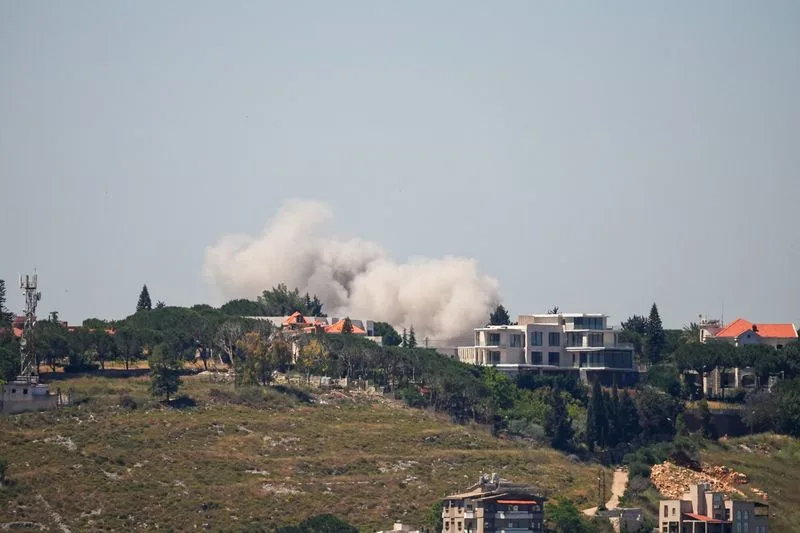
Meanwhile, airstrikes and drone attacks were reported in several Lebanese areas. Local authorities said casualties occurred in villages across southern and eastern Lebanon. Residents described living under constant uncertainty as fighting continues despite repeated announcements of ceasefire efforts.
Many civilians have expressed frustration over the repeated failure of peace agreements. Residents in cities and towns affected by the conflict said that previous ceasefires did little to stop the violence. Families who returned to their homes after earlier agreements often found themselves displaced again when fighting resumed.
The humanitarian impact of the war has been severe. Thousands of people have reportedly lost their lives since the conflict intensified, while more than a million residents have been forced to leave their homes. Entire communities have faced damage to infrastructure, businesses, and public services.
The latest ceasefire proposal emerged from negotiations between Israel and the Lebanese government. The agreement seeks to place security responsibilities in certain areas under the control of the Lebanese armed forces. It also aims to limit the presence of armed groups in regions near the border. However, Hezbollah has not officially accepted these terms.
Lebanese officials have described the proposed agreement as an important opportunity to achieve a lasting peace. President Joseph Aoun called it a chance to move toward a comprehensive ceasefire and reduce the suffering of civilians. At the same time, he acknowledged that discussions with various Lebanese factions would be necessary before any agreement could be fully implemented.
Regional tensions have also drawn attention to the Strait of Hormuz, one of the world’s most important energy routes. Concerns about disruptions in shipping and energy supplies have increased as the conflict has expanded. Global markets continue to monitor developments closely because of the potential economic consequences.
Iran has publicly supported a durable ceasefire in Lebanon and has called for Israeli forces to withdraw from occupied areas. Iranian officials argue that long-term stability can only be achieved through a political settlement and an end to military operations.
Despite ongoing diplomatic efforts, the situation remains uncertain. Fighting continues on the ground, and both sides maintain firm positions regarding their security and political objectives. For civilians caught in the middle, the hope remains that negotiations will eventually succeed in bringing an end to the violence and allowing families to rebuild their lives in peace.