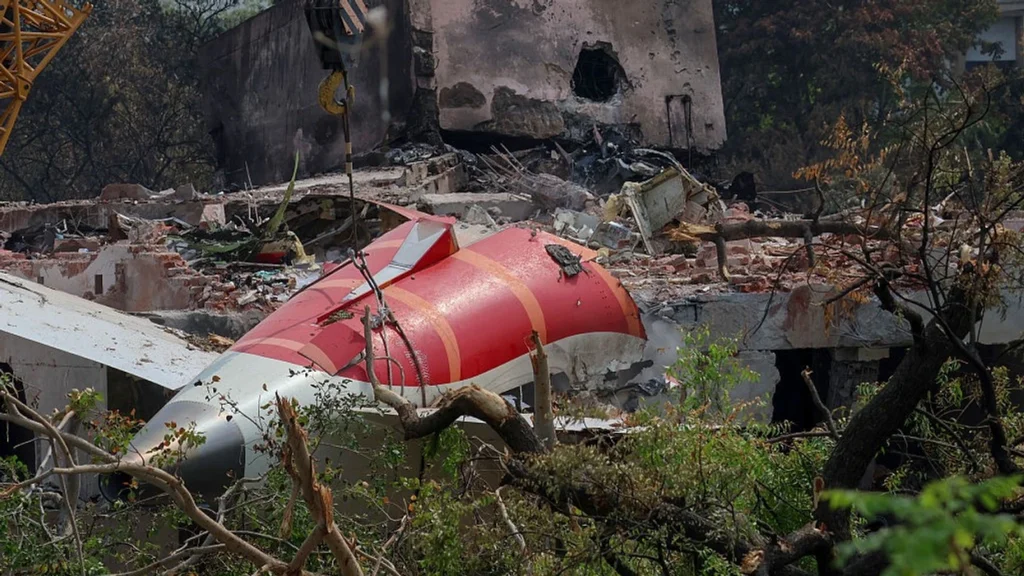
One year has passed since the tragic crash of Air India Flight AI171, but for the families who lost loved ones, the pain remains as intense as ever. The disaster, which claimed the lives of 260 people shortly after takeoff from Ahmedabad, continues to leave emotional scars on relatives, survivors, and local residents the event forever changed their lives
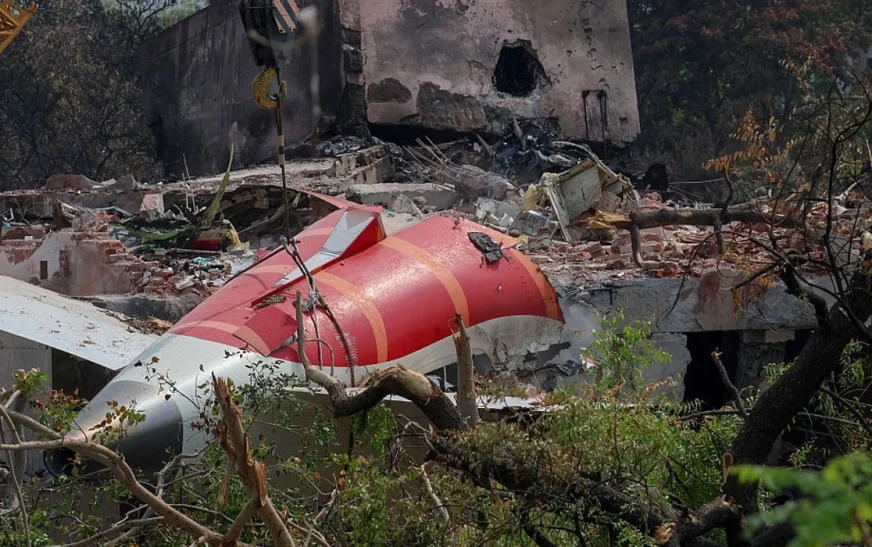
The flight was headed to London when it crashed moments after departure, turning what should have been a routine international journey into one of India’s worst aviation tragedies in recent history. The accident shocked the nation and drew global attention, with rescue teams, investigators, and authorities working tirelessly in the aftermath.
For many families, the memories remain vivid. Relatives recall the moment they learned about the crash through television broadcasts and emergency updates. The images of the burning wreckage and rescue operations are still difficult for many to watch. Some family members say they avoid visiting the crash site because the emotional burden remains too heavy.
The victims included families traveling together, parents returning home, and children looking forward to their future, and professionals heading back to work abroad. Every passenger had dreams, responsibilities, and loved ones waiting for them. Their sudden loss left behind countless stories of grief and heartbreak.
One of the most painful aspects of the tragedy is the impact on families who lost multiple loved ones at once. In several cases, a single afternoon changed entire households forever. Relatives continue to struggle with the reality that important family gatherings, celebrations, and milestones will never be shared with those who were lost.
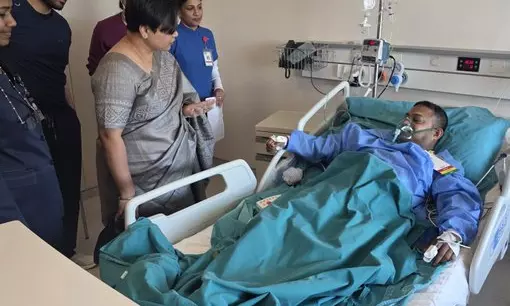
For some survivors and witnesses, the trauma extends beyond emotional pain. Individuals who were near the crash site suffered physical injuries and psychological distress that continue to affect their daily lives. Many report feelings of anxiety whenever they hear aircraft overhead or travel near airports.
Some survivors faced long periods of medical treatment and rehabilitation. Severe burns, injuries, and emotional trauma forced many to leave their jobs or significantly alter their lifestyles. Returning to normal life has proven difficult, with financial challenges often adding to their struggles.
Lasting Trauma for Survivors and Families
Mental health experts note that major disasters frequently leave lasting psychological effects. Feelings of fear, grief, depression, and uncertainty can persist for years after such events. Families often continue searching for closure even after the immediate crisis has passed.
While the emotional wounds remain open, questions surrounding the cause of the crash have yet to be fully answered. Aviation authorities launched an extensive investigation immediately after the disaster. Technical experts examined aircraft systems, operational procedures, maintenance records, and other factors that may have contributed to the accident.
Investigators focused on several areas of interest, including components related to fuel management and aircraft operations. However, despite months of analysis and inspections, authorities have not yet released a final report explaining exactly what caused the aircraft to lose altitude and crash.
For many relatives, the lack of definitive answers remains deeply frustrating. They believe understanding the cause of the accident is essential not only for their own peace of mind but also for improving aviation safety and preventing similar tragedies in the future.
In the months following the crash, Air India and its parent company implemented various support measures for affected families. Assistance included financial compensation, counseling services, and dedicated support teams to help relatives navigate administrative and legal processes.
Authorities and airline representatives also worked to identify victims, return personal belongings, and coordinate with families across different regions and countries. The process was complex and emotionally challenging, requiring careful handling of thousands of recovered items.
The disaster also prompted a broader review of airline safety procedures. Additional inspections, operational assessments, and safety initiatives were introduced to strengthen oversight and enhance passenger confidence. Industry experts say such reviews are a critical part of learning from major accidents.
Yet despite these efforts, many families emphasize that no financial settlement, safety reform, or official statement can replace the people they lost. For them, the tragedy is measured not in reports or statistics but in empty seats at family dinners, missed birthdays, and memories that can never be recreated.
Remembering the Victims, One Year Later
As the first anniversary of the crash passes, communities across India and abroad continue to remember the victims.Communities held memorial services, prayers, and moments of reflection to honor those who lost their lives and to support the families still coping with immense grief.
The story of Flight AI171 is no longer only about an aviation accident. It is also about resilience, remembrance, and the enduring impact of loss. While investigators continue their work and authorities seek final answers, families remain united by a shared hope that the truth will eventually emerge and that lessons learned from the tragedy will help protect future generations of travelers.