An Indian citizen lost his life after an attack struck Kuwait International Airport, according to officials and diplomatic sources. The incident has raised concerns about the growing tensions in the Middle East and the safety of civilians living and working in the region.
The Embassy of India in Kuwait confirmed the death and expressed deep sorrow over the loss of the Indian national. In a statement shared on social media, the embassy offered condolences to the family of the victim and said it was working closely with Kuwaiti authorities. Officials added that all possible assistance would be provided to the bereaved family and to those injured in the attack.
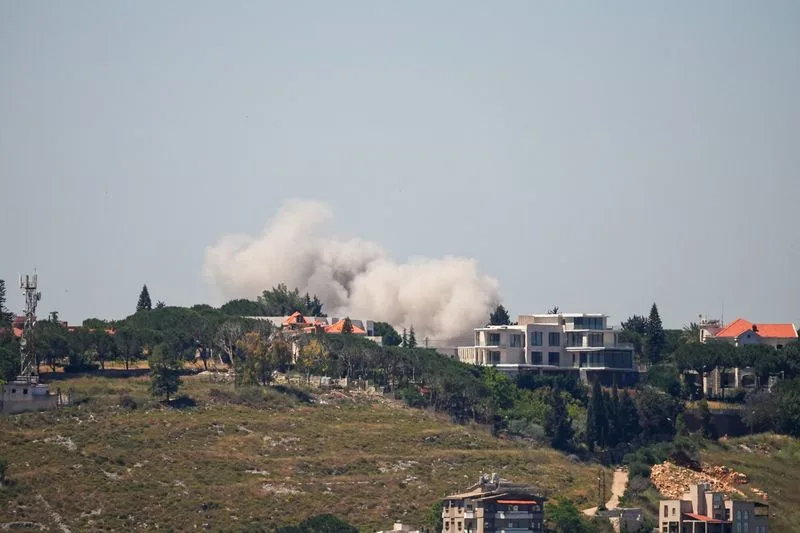
The strike targeted Kuwait International Airport and caused significant disruption to airport operations. Authorities temporarily suspended air traffic and diverted flights to nearby airports as emergency teams responded to the situation. Airport facilities suffered damage, and officials worked to assess the full impact of the attack.
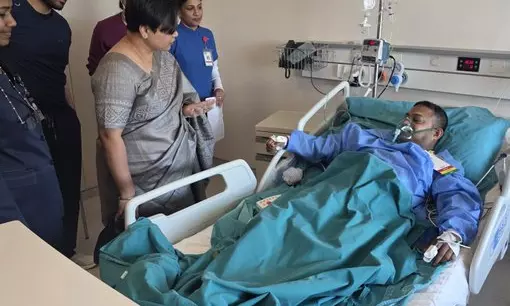
According to health authorities, dozens of people were injured. Hospitals across Kuwait received victims who included airport employees, passengers, and other civilians present at the time of the incident. Several patients required urgent surgery, while others received treatment for less serious injuries.
The attack comes at a time of increasing instability across the region. In recent months, tensions involving Iran, the United States, and their allies have led to a series of military actions and retaliatory strikes. Kuwait, which hosts important military and logistical facilities, has found itself affected by the broader regional conflict.
This is not the first time an Indian national has been affected by the violence. Earlier this year, another Indian citizen was reportedly killed during strikes that targeted a power and water desalination facility in Kuwait. The latest incident has renewed concerns among expatriate communities about security conditions in the Gulf region.
Iran’s Revolutionary Guards claimed responsibility for the airport attack. In a statement, the group said the operation was carried out in response to actions taken against Iranian interests. The statement described the attack as retaliation for previous military actions involving the United States.
The group also claimed that military-related locations in the Gulf region were among its targets. These claims have further increased fears that the conflict could spread beyond its current boundaries and affect more countries in the region.
Kuwaiti authorities immediately launched emergency response measures following the attack. Security personnel, medical teams, and airport staff worked together to assist victims and secure the area. Officials have continued investigating the incident while assessing the extent of the damage caused by the strike.
The temporary closure of the airport affected travel plans for thousands of passengers. Airlines were forced to adjust schedules, and many travelers experienced delays or cancellations. Authorities have said normal operations will resume only after safety assessments are completed.
The death of the Indian citizen has drawn attention in both India and Kuwait. Families of expatriate workers often depend on relatives employed in Gulf countries, making such incidents particularly painful for communities back home. Indian officials are expected to remain in contact with Kuwaiti authorities to ensure support for those affected.
Experts warn that continued military escalation in the region could create additional risks for civilians, infrastructure, and international transportation networks. Airports, energy facilities, and other critical sites may remain vulnerable if tensions continue to rise.
As investigations continue, many people are hoping that diplomatic efforts can reduce hostilities and prevent further loss of life. For now, the focus remains on helping the injured, supporting the families of victims, and restoring normal operations at one of Kuwait’s most important transportation hubs.