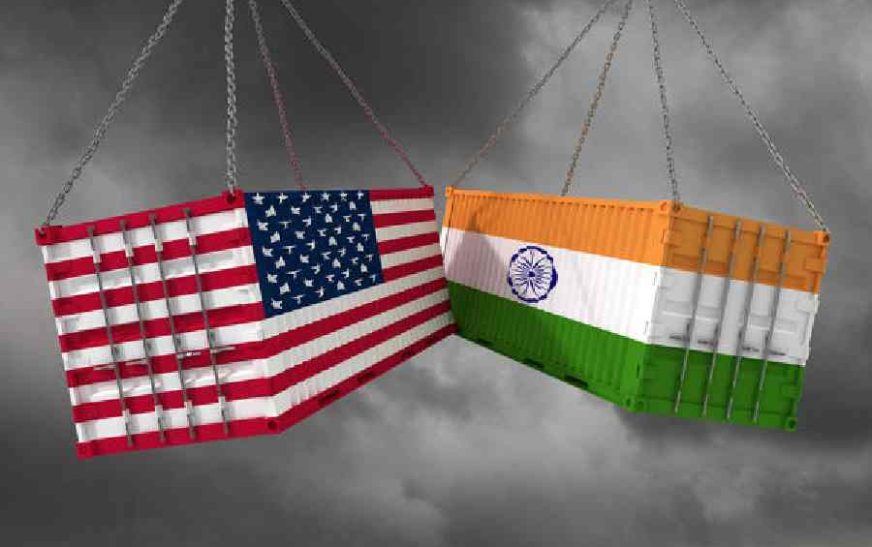
The United States is considering a new set of tariffs that could affect imports from more than 60 countries, including India. The proposal comes at a sensitive time as India and the United States continue discussions aimed at reaching an interim trade agreement.
According to the proposal, countries that are viewed as not doing enough to prevent the import or production of goods linked to forced labour could face additional duties ranging from 10 to 12.5 percent. India has been placed in the category that could face a tariff of up to 12.5 percent if the measure is eventually approved.
The proposal has been introduced by the Office of the United States Trade Representative (USTR). It is part of a broader investigation under Section 301 of US trade law, which allows Washington to take action against practices it believes are unfair or harmful to American economic interests.
The timing of the announcement has attracted significant attention because trade officials from both countries are currently engaged in negotiations. India and the United States have been working to resolve several trade-related issues and are attempting to finalize an interim agreement that could strengthen economic ties and improve market access.
India’s Commerce Ministry acknowledged the ongoing investigations and said discussions with American officials are continuing. The ministry noted that conversations related to forced labour concerns and industrial capacity issues are taking place alongside broader trade negotiations. Indian officials have indicated that they remain engaged with their US counterparts and are seeking greater clarity on the proposed tariff measures.
The possible tariffs could create a fresh challenge for businesses involved in trade between the two countries. Exporters and manufacturers are closely monitoring developments because additional duties could increase costs and affect the competitiveness of products entering the American market.
Trade experts believe the proposed action may become more important if existing tariff measures introduced by the United States begin to expire later this year. Washington may choose to replace older trade restrictions with new mechanisms that could be more difficult to challenge legally. Such a move would give the administration another tool to influence trade practices among its partners.
The investigation covers countries responsible for the vast majority of imports entering the United States. Major trading partners such as China, Mexico, and Canada are among the countries affected. India is also included due to its large and growing trade relationship with the US.
Despite the concerns, the tariffs have not yet been finalized. The USTR has opened a consultation process that allows businesses, industry groups, and other stakeholders to submit comments. Public hearings are expected to provide additional feedback before any final decision is made.
The uncertainty surrounding the proposal has created questions about the future of the India-US trade talks. While both governments have expressed optimism about reaching an agreement, the possibility of new tariffs adds another layer of complexity to negotiations. Businesses on both sides are hoping that ongoing discussions will help resolve differences and prevent additional trade barriers.
Economic relations between India and the United States have expanded significantly over the past decade. The two countries are important partners in sectors such as technology, manufacturing, pharmaceuticals, energy, and services. Because of this growing relationship, any change in tariff policy can have a noticeable impact on trade flows and investment decisions.
Analysts say the coming weeks will be important as policymakers evaluate feedback on the proposal and continue trade discussions. A successful agreement could help ease tensions and strengthen commercial ties, while unresolved disputes may lead to additional restrictions and uncertainty for exporters.
For now, both countries remain engaged in negotiations, and businesses are waiting for clearer signals about how the proposed tariffs may affect future trade. The outcome of these discussions could play a major role in shaping economic relations between India and the United States in the months ahead.